
The best possible knowledge of wood is very crucial for a woodworker , because he can avoid unpleasant “surprises” as these types of wood that leak color under wet conditions , can give him .
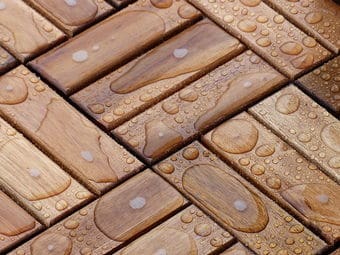
The trees – wood are alive and green elements , they have behavior and they never stop to react with the environment .
There’re some basic types of wood that if there’re exposed to outdoor moisture conditions continuously , they leak color slowly and steady for a very long time and then they stop .
Why , this is a problem ?

When you finish you woodcraft and you make the kind of finishing you like ( oils , paint , polyurethane , et.c ) , you don’t want in any way small colored drops form inside the mass of wood , to mess your final result .
If you’re a professional carpenter you don’t want this in no way , because your clients will have serious complains .

These classical and basic wood types which leak color if you use them outdoors are the chestnut , some types of oak , some cedar species and sometimes the teak wood , even if the teak tree and wood are very durable to outdoor conditions .
If you use mostly tropical wood types , you should always be fully informed for their characteristics , because many of them can have this leaking behavior .
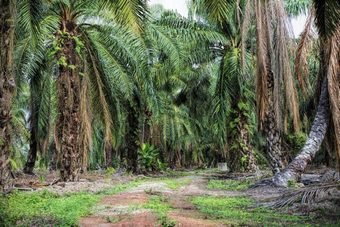
See some knoweldge about the wood types and their characteristics , HERE .
The above wood types that leak color from their inside to the outside , isn’t a permanent situation of course and after sometime they stop leaking totally .
Until this time period , they leak slowly – slowly small amounts – drops of color from their inside mass , messing things around and you need to wipe thse drops continuously .
Why these wood types , Leak their inside color ?
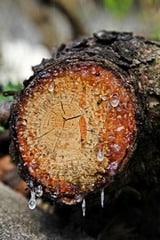
The outdoor and wet , moisture conditions are acting as natural solvents for the internal fluids of the wood and through their pores they find an exit to the outside . It isn’t a behavior that all the wood types have , but some of them regardless their density and their hardness .
What can you do to Prevent this ?
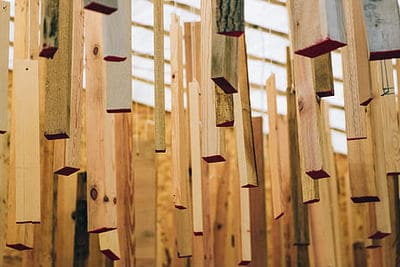
You cannot totally erase this problem , because their inner wood fluids will leak to the outside no matter what till their quantities end , but a good drying helps the most and reduce these inner fluids .
The fluids will have to go somewhere , they cannot be magically vanished .
You should use a well dried wood piece , give a little time in order to let some excess fluids to go out and then use a very capable wood filler to fill the pores of wood and stop this leaking process .
The wood filler process is very important , because it can terminate the leaking totally and for good , without the need to wait for the fluids to stop by themselves , because this may take many months .
Use your wood fillers and a nice final coating and you’ll have no problem .
What is a best solution as final coating to shield the color leaking ?
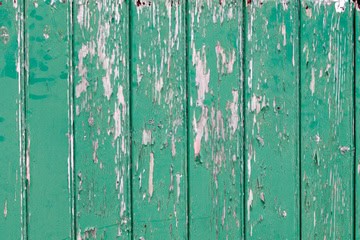
I suggest you to avoid the crust type of final coating because sooner or later the crust will brake and to use pure and natural wax that shields the wooden surface in both directions , but the wood breaths .
The crust types of finishing , eventually will crack from the contractions and expansions , leaving the leaking color to go outside in the upper surface .
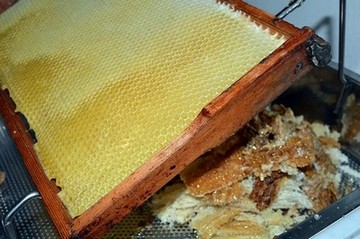
The wax creates a breathing shield that doesn’t leave anything to penetrate in , or to go out to the surface of the wood , not allowing the leak to come outside .
The free breathing of the wood has very high significance for the general health of the wood .
See in HERE some of my wax suggestions to supply .
Is the color leaking of these types of wood , reduce their value ?

No , in no way this small “caprice” of these wood species is reducing their value which is great , because the chestnut , the oak , the cedar , the teak and maybe other tropical wood , are amazing quality’s wood , having big prestige .
But as a user woodworker of these type of wood in wet conditions, you should be aware of this significant “caprice” of them and treat them accordingly .
Keep woodworking and and happiness will leak in your life for sure .